What does it mean to prepare young people for a world shaped by AI, evolving careers and global change? This was the central theme of our inaugural Future of Education Symposium, which brought together leading voices from education and industry to explore how schools can cultivate the knowledge, character and habits that enable young people to thrive and flourish throughout their lives.
United by a spirit of optimism, speakers challenged guests to rethink the purpose of education, exploring how schools can equip young people not only for future careers, but also to lead lives of purpose, contribution and fulfilment in an increasingly uncertain world.
What are we really preparing young people for?
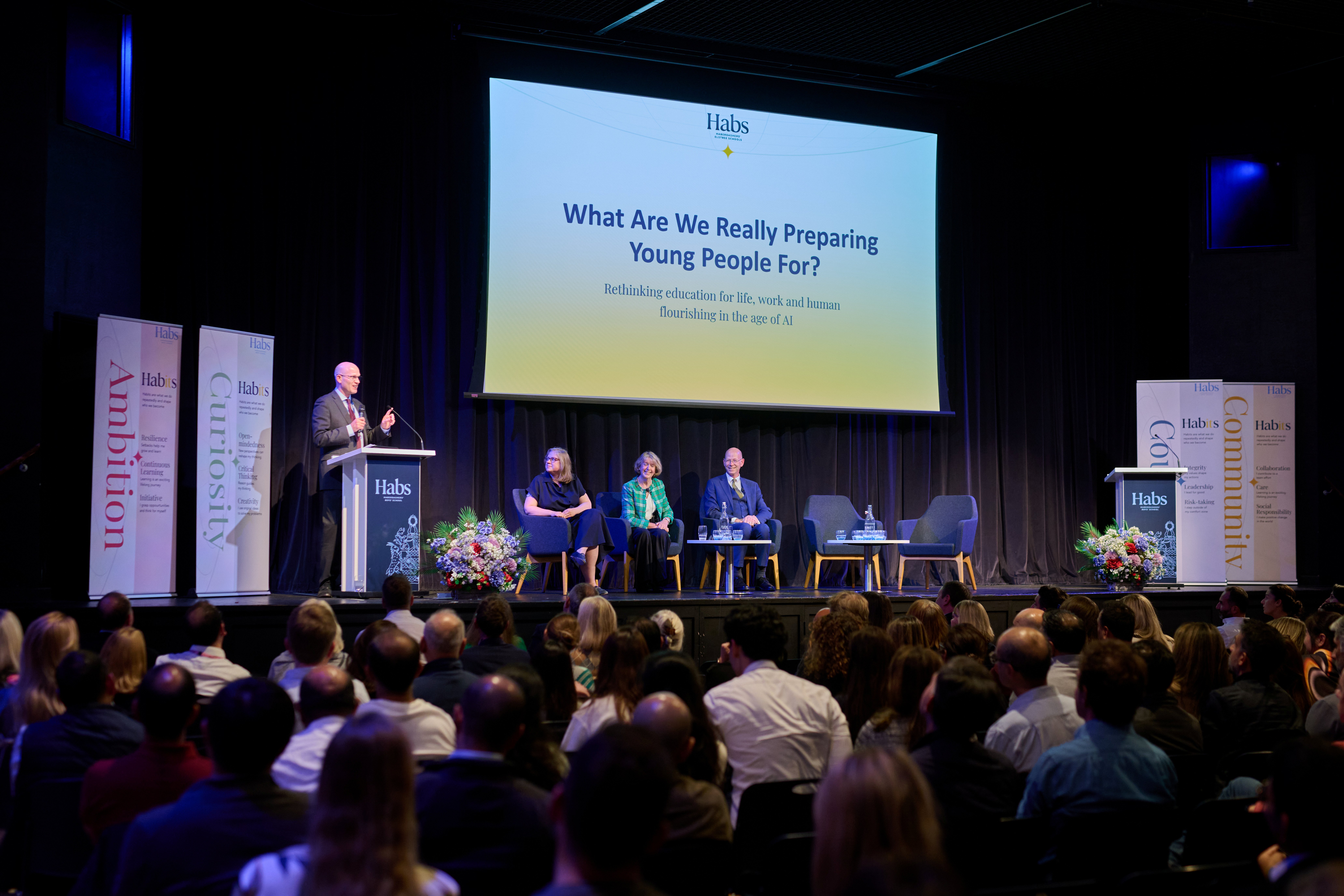
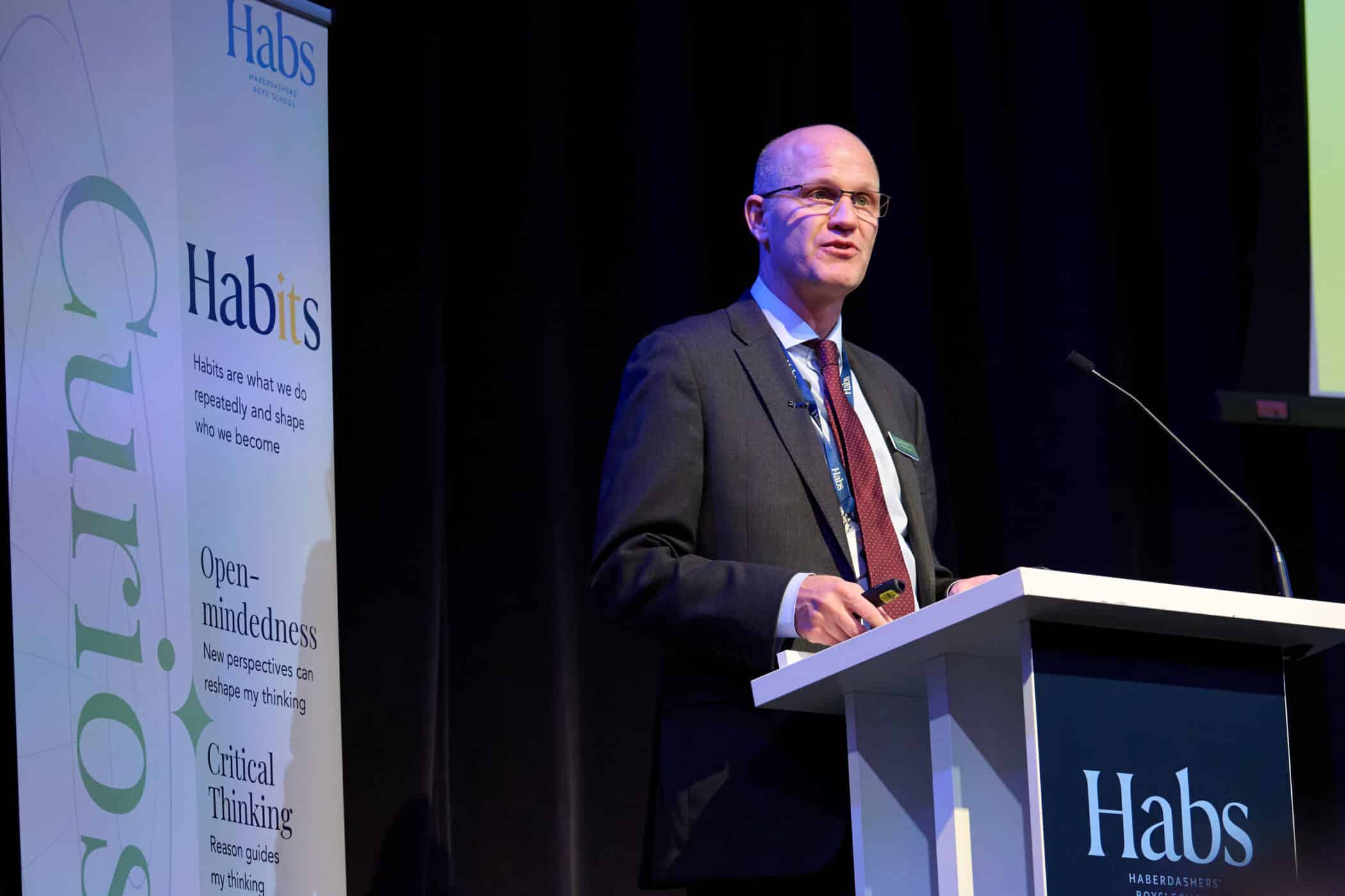
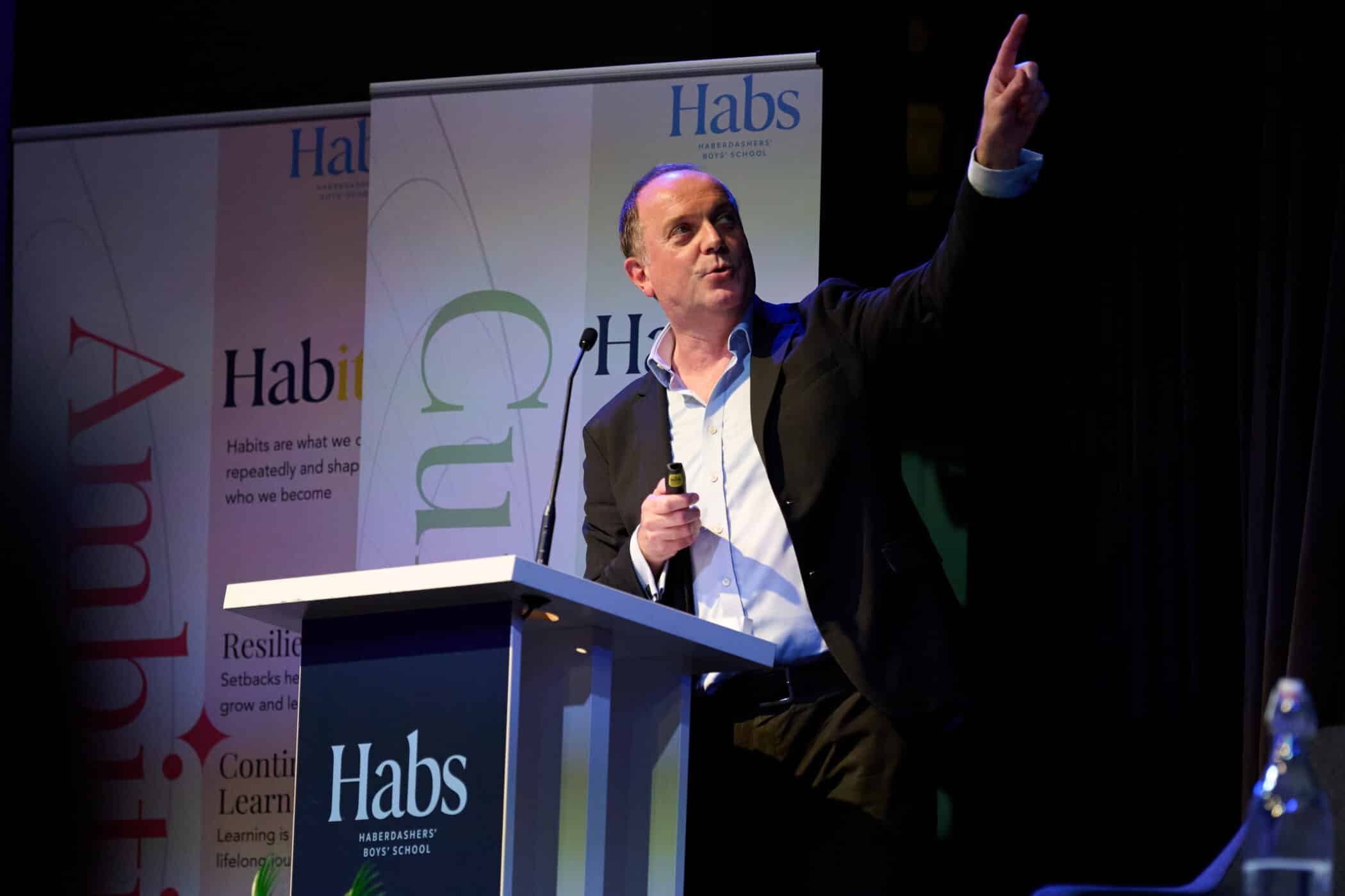
Opening the event, Gus Lock, our Executive Principal invited guests to reflect on a fundamental question: ‘What are we really preparing young people for?’ He commented that throughout history, education has continually evolved to meet the changing needs of society, with today being no different, as he posed a thought-provoking question to the audience: ‘Would you rather be 14 today or 14 when you were growing up?’
While acknowledging the challenges facing young people today, Gus struck an optimistic note, encouraging guests to consider how education can help young people develop the character, adaptability and sense of purpose needed to flourish in a changing world.
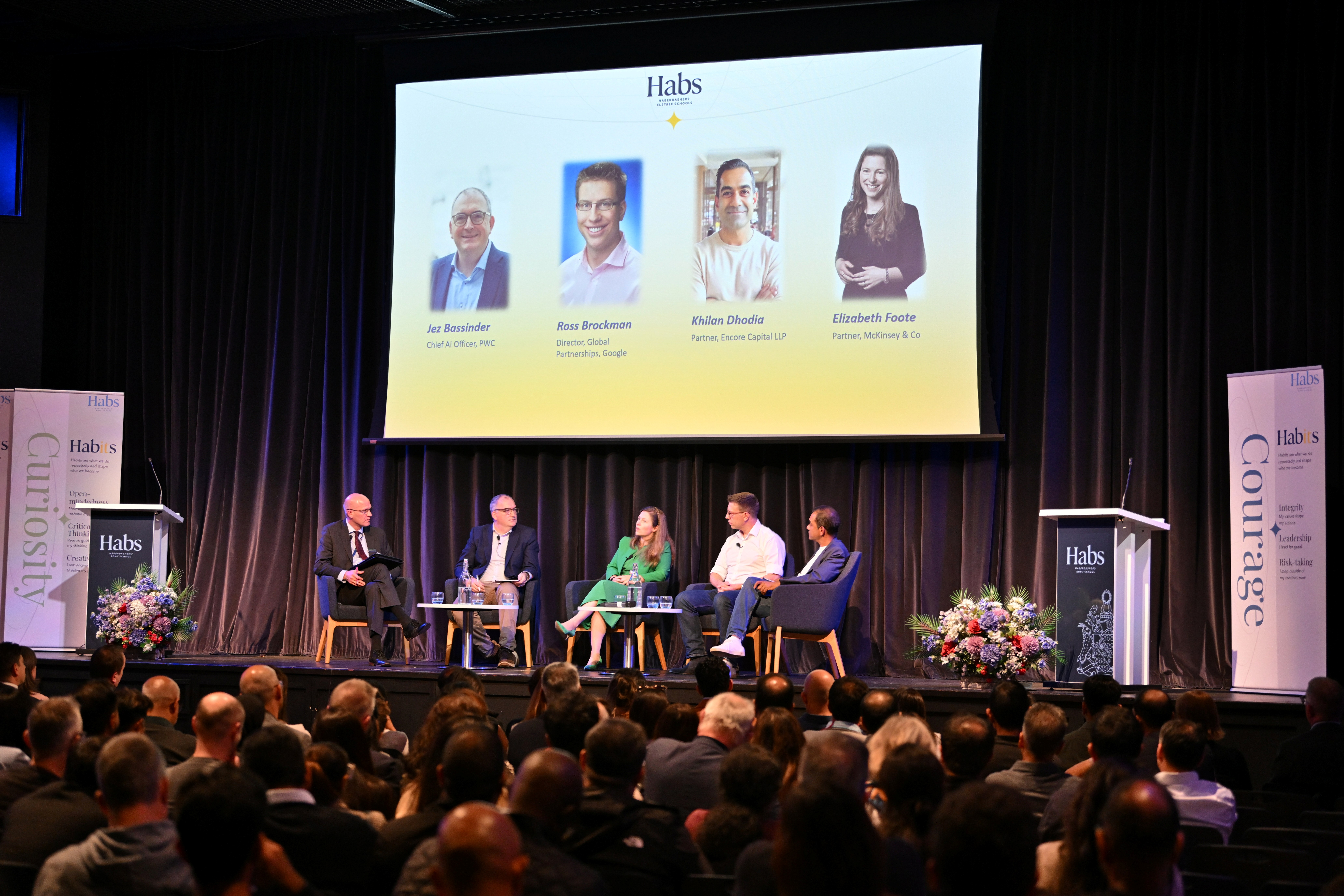
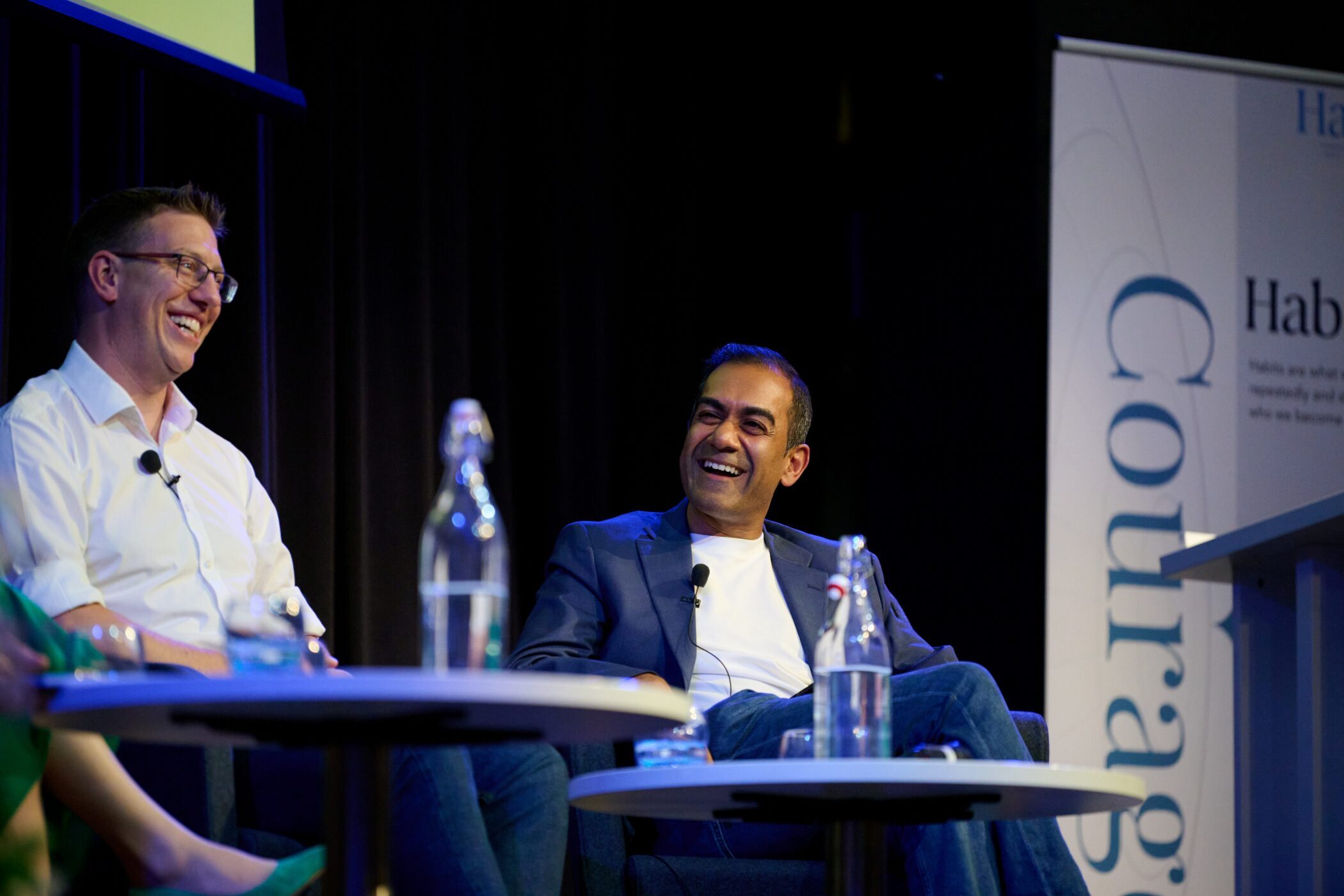
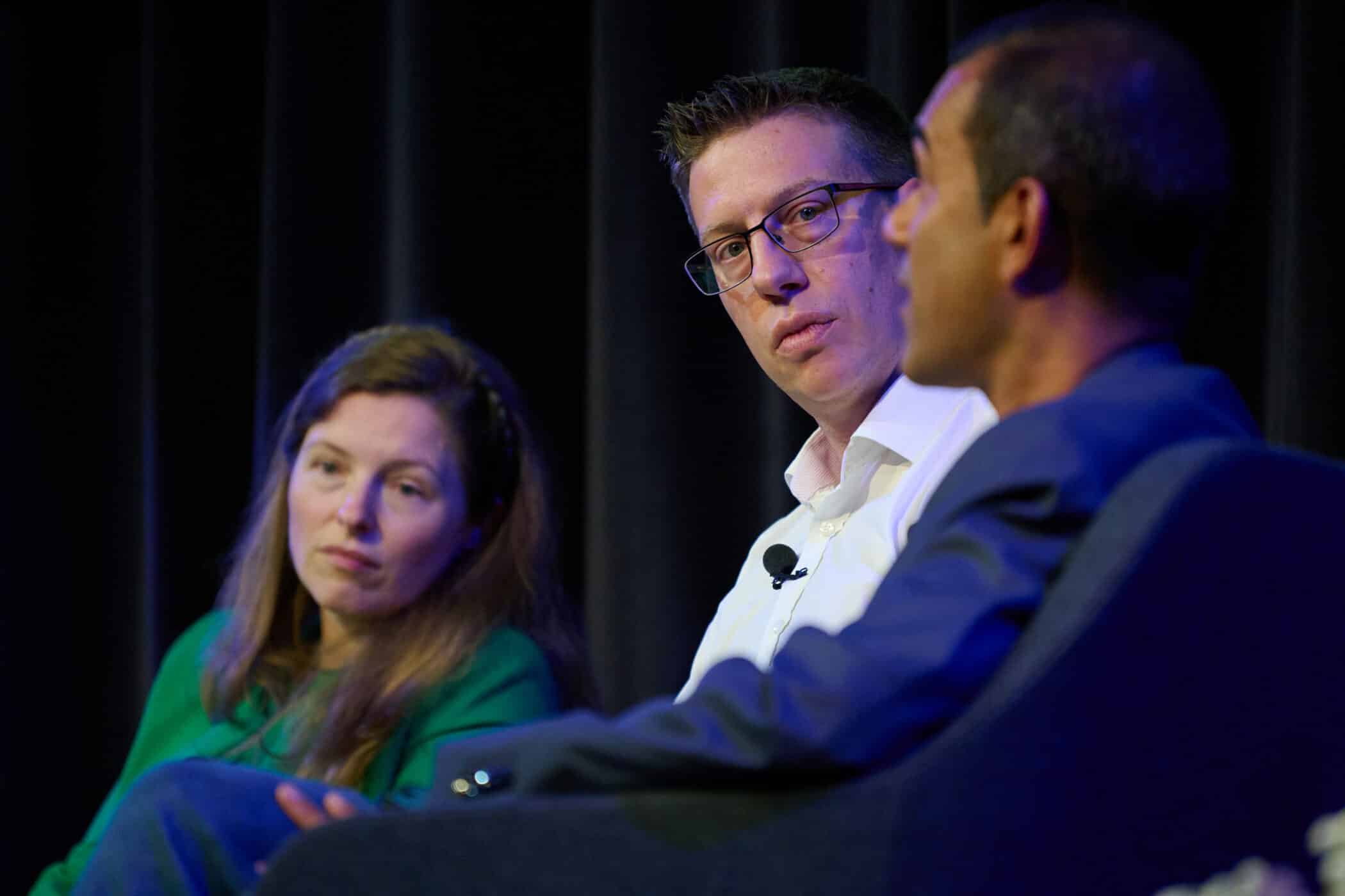
A panel discussion featuring Jez Bassinder, Chief AI Officer at PWC, Elizabeth Foote, Partner at McKinsey & Co, Ross Brockman, Director Global Partnerships Google and Khilan Dhodia, Partner at Encore Capital LLP explored the qualities young people will need to thrive in an increasingly complex and fast-changing world.
While AI and emerging technologies formed an important backdrop to the conversation, the panellists agreed that the attributes employers value most remain deeply human. Curiosity, critical thinking, creativity, communication, resilience and humility emerged as recurring themes, with speakers also highlighting the importance of global awareness and learning from failure. As Khilan Dhodia encouraged, we should “create environments where our children do fail”, while Jez Bassinder reminded us that the key question is, “what did you learn?” Together, the discussion reinforced a central message of the evening: in a world transformed by AI, schools must continue to cultivate the human qualities that enable young people to flourish.
A keynote presentation from James Darley, Founder and CEO of Transform Society, explored the future of employability and recruitment, challenging guests to consider how education must evolve to prepare young people for a rapidly changing world of work. Central to his message was the idea that academic excellence, while essential, is no longer enough on its own. As AI reshapes industries and career pathways become increasingly varied, employers are looking for young people who can demonstrate adaptability, creativity, critical thinking, communication and leadership alongside strong qualifications.
Highlighting the growing importance of transferable skills, meaningful experiences, the ability for young people to tell their story and articulate learning with confidence, his presentation reinforced many of the principles at the heart of a Habs education: developing character as well as knowledge, nurturing curiosity and resilience, and creating opportunities for students to engage with the wider world.
What is education for?
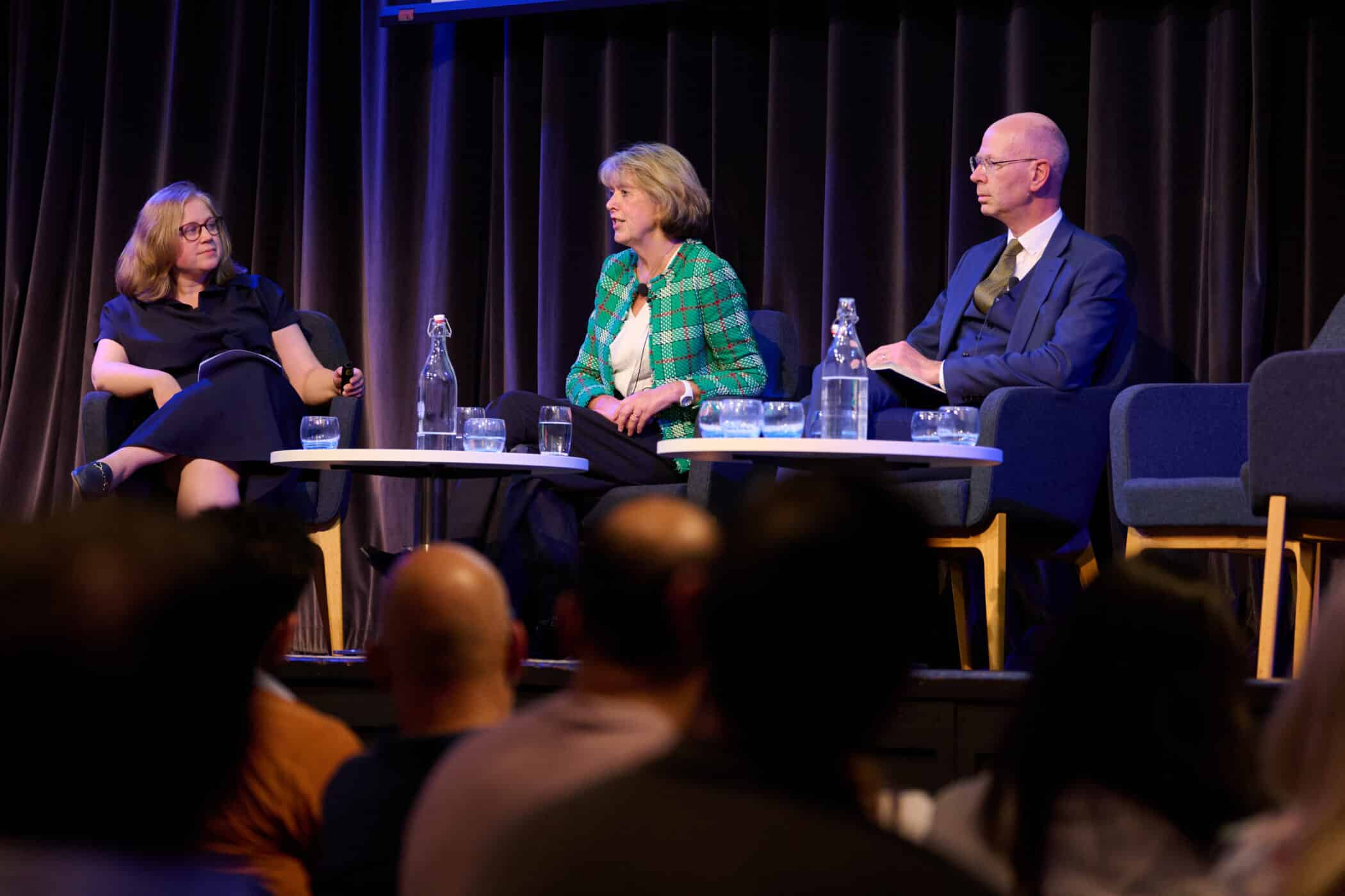
The symposium’s second panel explored one of the evening’s most profound questions: ‘what is education for?’ Led by Clare Jarmy, Director of Innovation at Habs Elstree Schools, the discussion brought together Sarah Fletcher, former High Mistress of St Pauls Girls School, and Dr John Taylor, founder of the Project Qualifications (EPQ, HPQ, FPQ and IPQ) and Director of Growth and Partnerships at Highgrove Education.
Together, the panel argued that education must be about far more than qualifications. While academic achievement remains important, its ultimate purpose should be to help young people flourish both now and, in the future, opening doors, nurturing character and developing the skills, understanding and confidence to lead meaningful lives.
A key theme was the growing need to move beyond an overly narrow focus on examinations. Sarah Fletcher reflected on the risk of “teaching to the test“, warning that excessive focus on outcomes can limit creativity, initiative and the joy of learning. In an age of AI, she argued, schools have an opportunity to refocus on what education is truly for and the human qualities that matter most.
The discussion also highlighted the transformative potential of project-based learning. Drawing on his work founding the Project Qualifications framework, Dr Taylor spoke about the benefits of independent, enquiry-led projects that encourage young people to tackle real-world questions, think across disciplines and develop critical skills such as problem-solving, research, resilience and self-management. Both speakers emphasised that these experiences not only improve academic outcomes but also help students become thoughtful, caring and socially responsible contributors to society.
The panel concluded that preparing young people for employment and providing a rich, ambitious education are not competing aims. Rather, the curiosity, creativity, critical thinking, collaboration and initiative developed through a broad education are precisely the qualities that will enable young people to thrive in the future.
Building habits for life
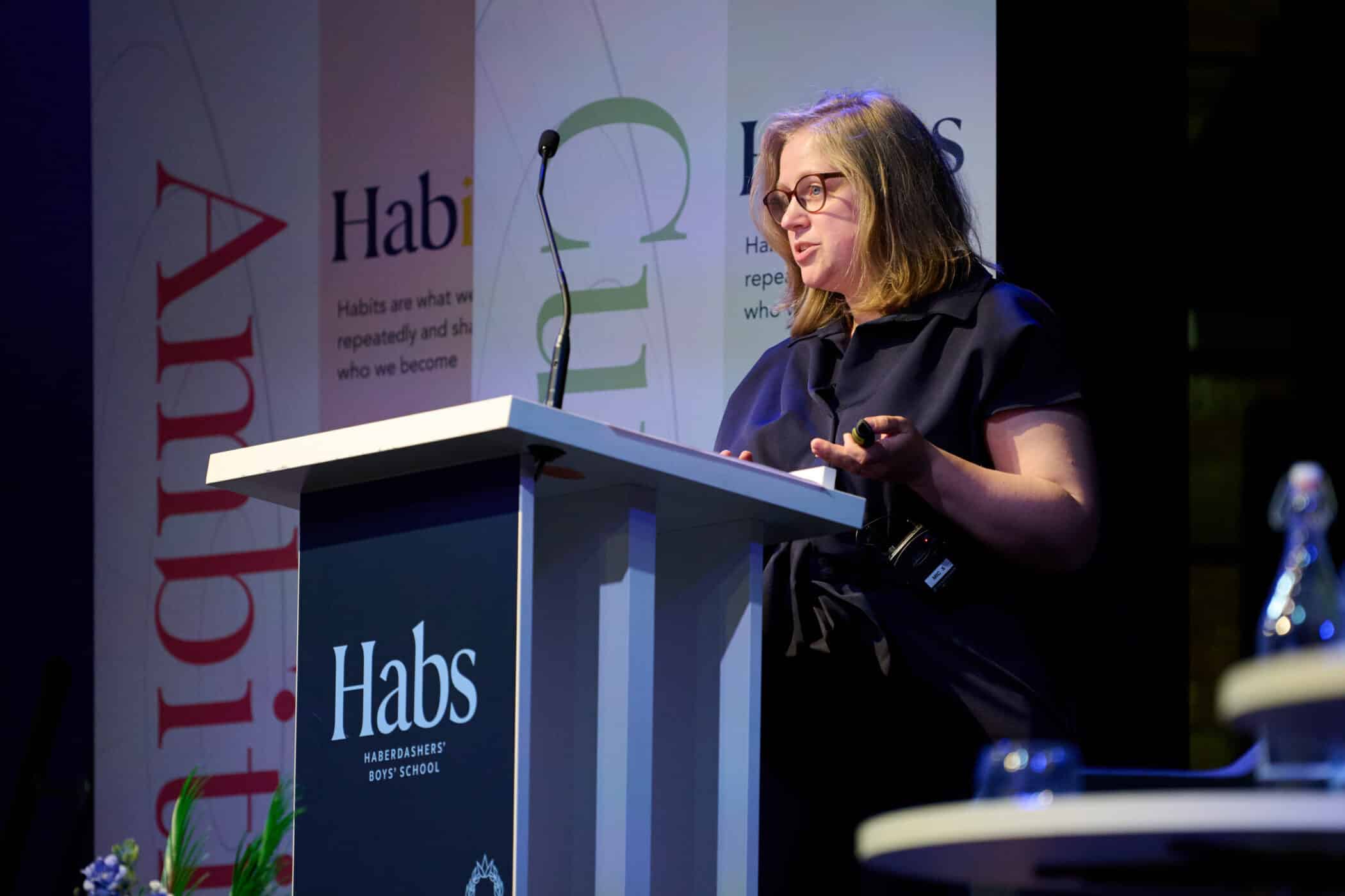
In her closing address, Clare Jarmy reflected on two themes that had emerged repeatedly throughout the symposium: the world is changing faster than education, yet we already know much about the qualities young people need to thrive.
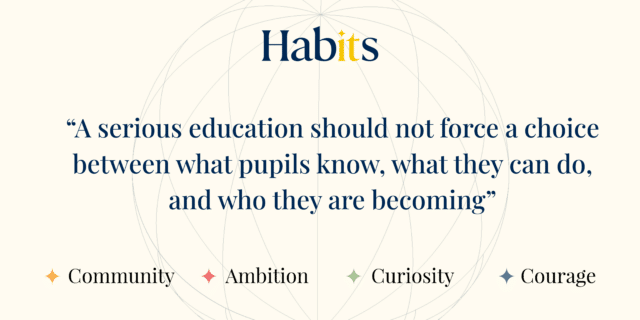
She outlined how Habs is responding to this challenge through its Habits Framework, a set of twelve dispositions rooted in the school’s values of Ambition, Curiosity, Courage and Community. Developed through research and consultation, the Habits focus on qualities such as resilience, continuous learning, initiative, critical thinking, creativity, leadership, care and social responsibility.
Clare explained that these qualities are intentionally embedded throughout school life, from project-based learning and leadership opportunities to service, partnerships, reading and AI education. Central to the approach is helping students recognise and articulate their strengths, ensuring they understand not only what they can do, but how they have developed those capabilities.
She also shared plans for an enhanced Key Stage 4 curriculum, including greater opportunities for independent research through Higher Project Qualifications and the development of an innovative new qualification in AI, Data and Computer Science. Together, these initiatives aim to combine academic rigour with the depth, independence and real-world application that young people will need in the future.
Bringing the evening to a close, Clare returned to the symposium’s central question. While schools cannot predict exactly what the future will look like, they can prepare young people to navigate uncertainty, keep learning, exercise judgement, collaborate, lead and contribute meaningfully to the world around them. Ultimately, she argued, education is not simply about preparing students for work, but about helping them flourish as human beings and empowering them to make a profound impact in the world.
A huge thank you to our guest speakers for sharing their time, insight and expertise, helping to make the inaugural Future of Education Symposium such a thought-provoking, inspiring and impactful event. Their contributions challenged us to think differently about the future of education and reinforced our shared commitment to preparing young people not only for successful careers, but for enriched lives with purpose and contribution.
Education must be about far more than qualifications. While academic achievement remains important, its ultimate purpose should be to help young people flourish both now and, in the future, opening doors, nurturing character and developing the skills, understanding and confidence to lead meaningful lives.
Related posts
See all posts